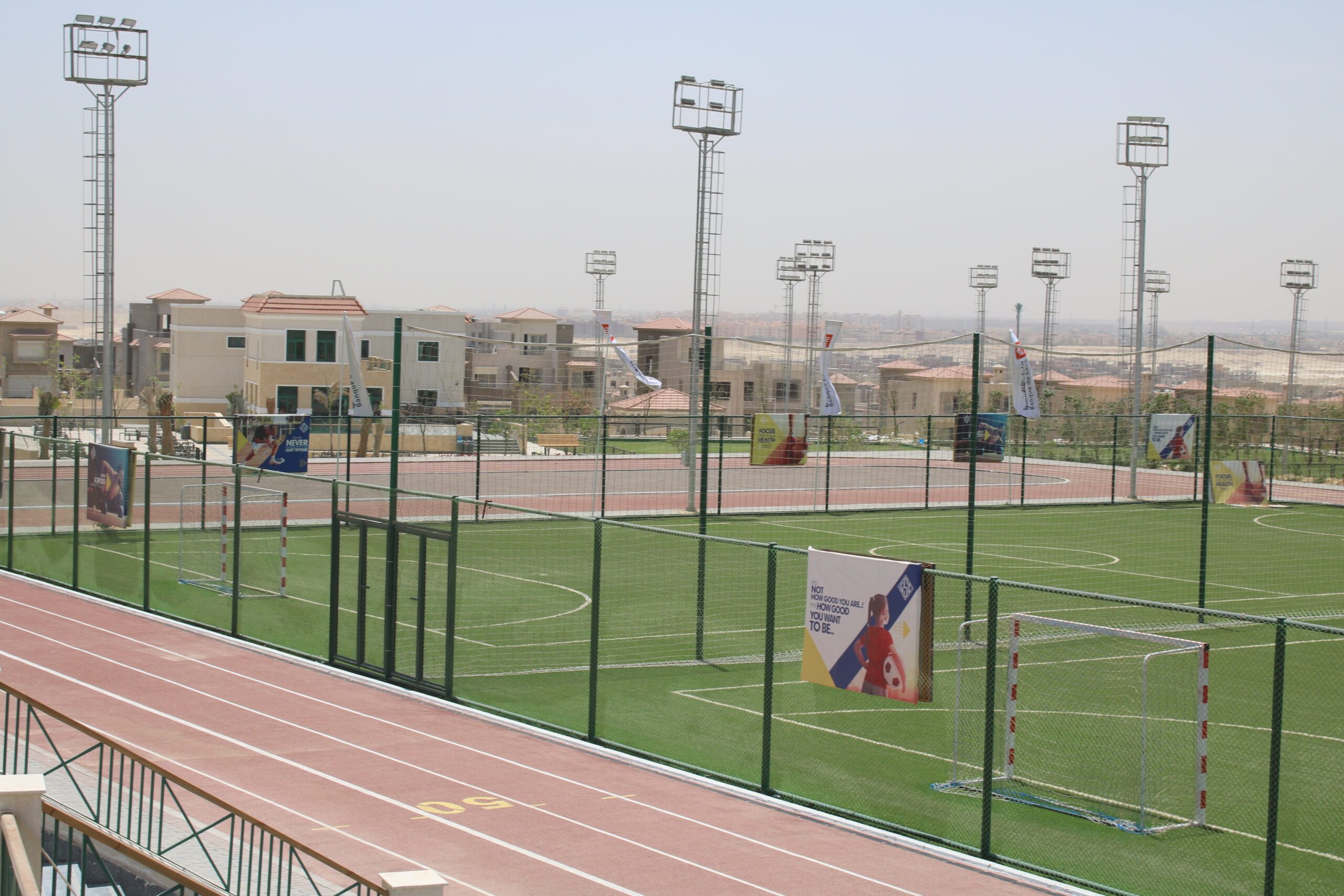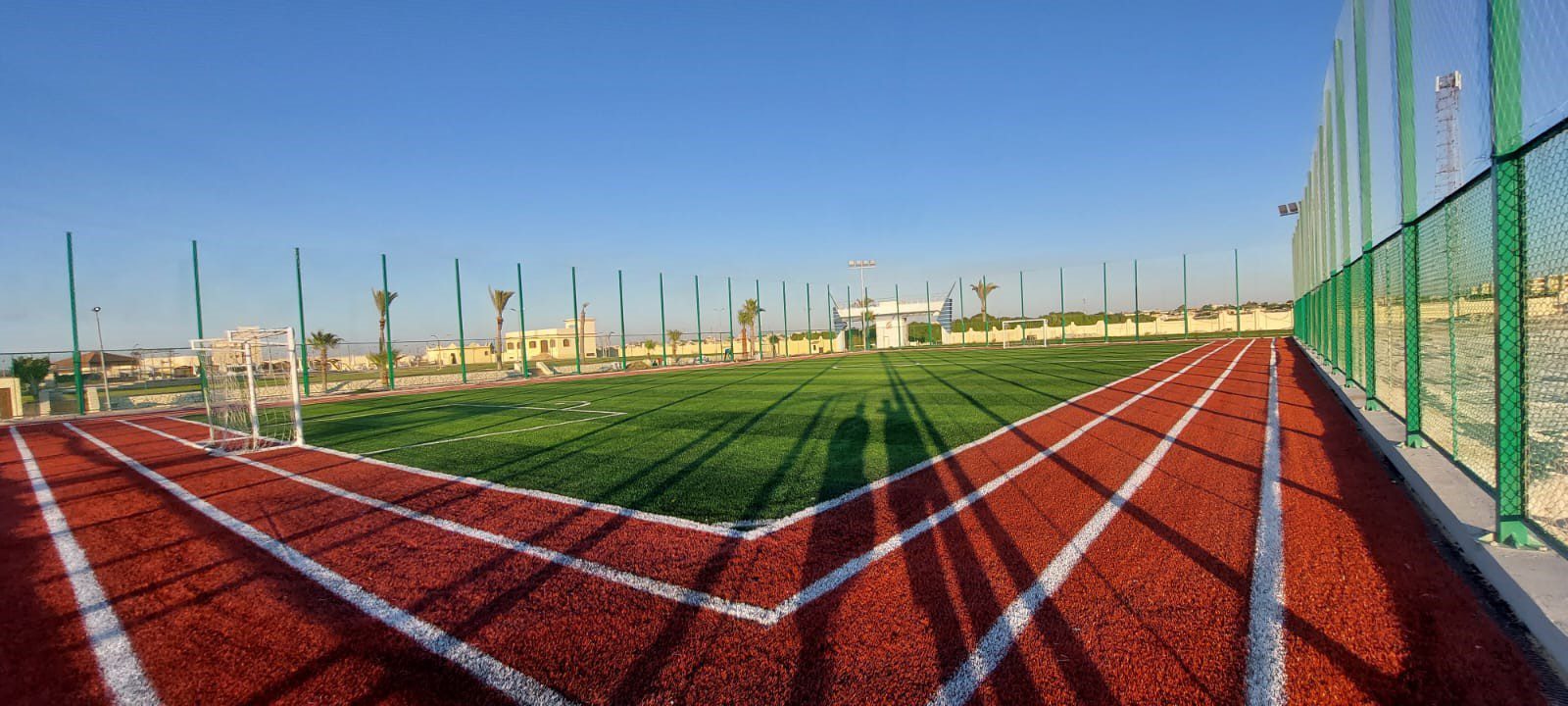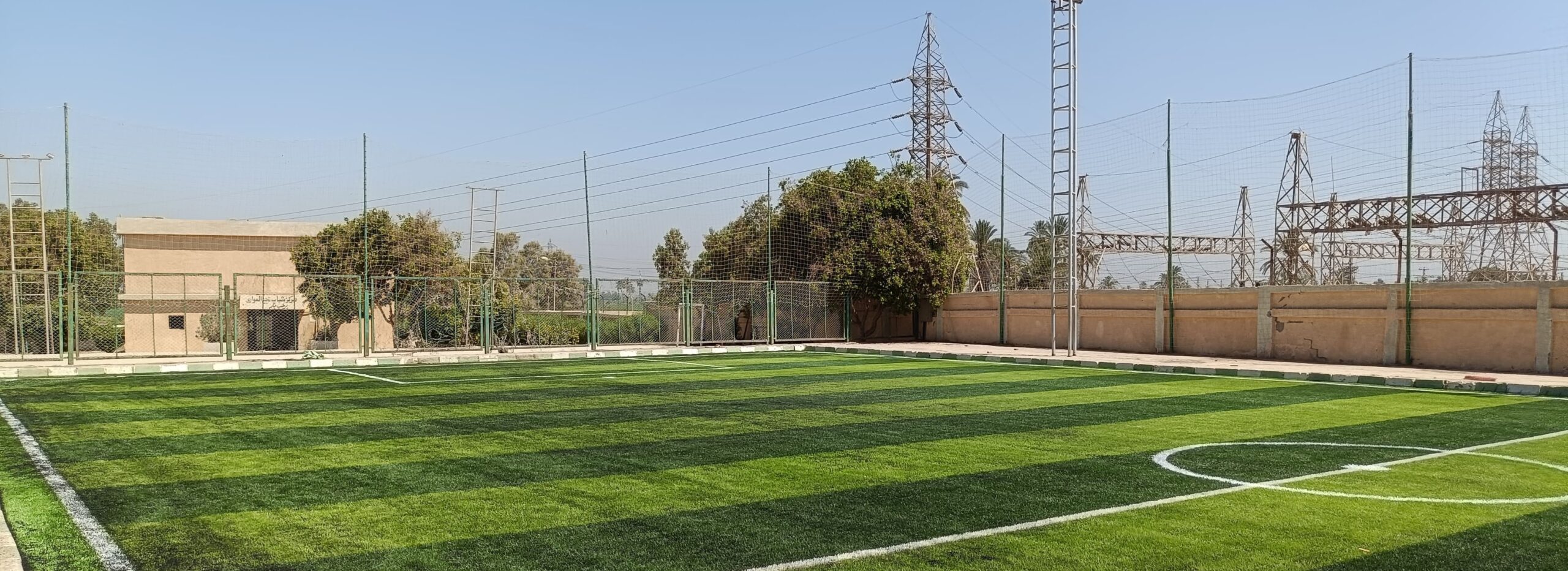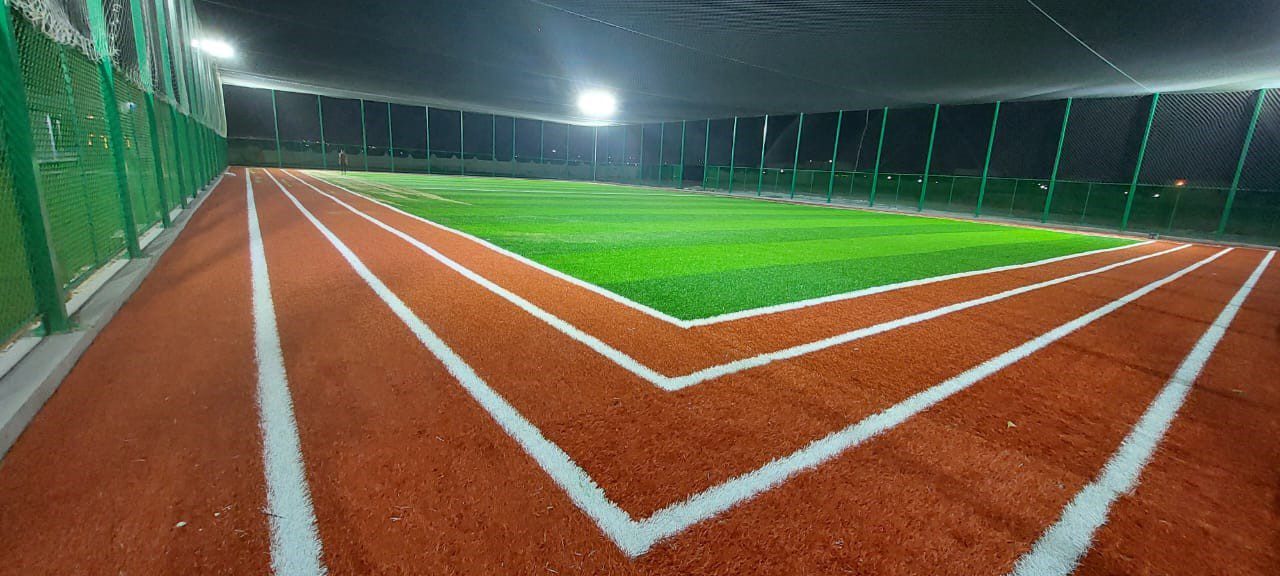
Artificial turf "football "
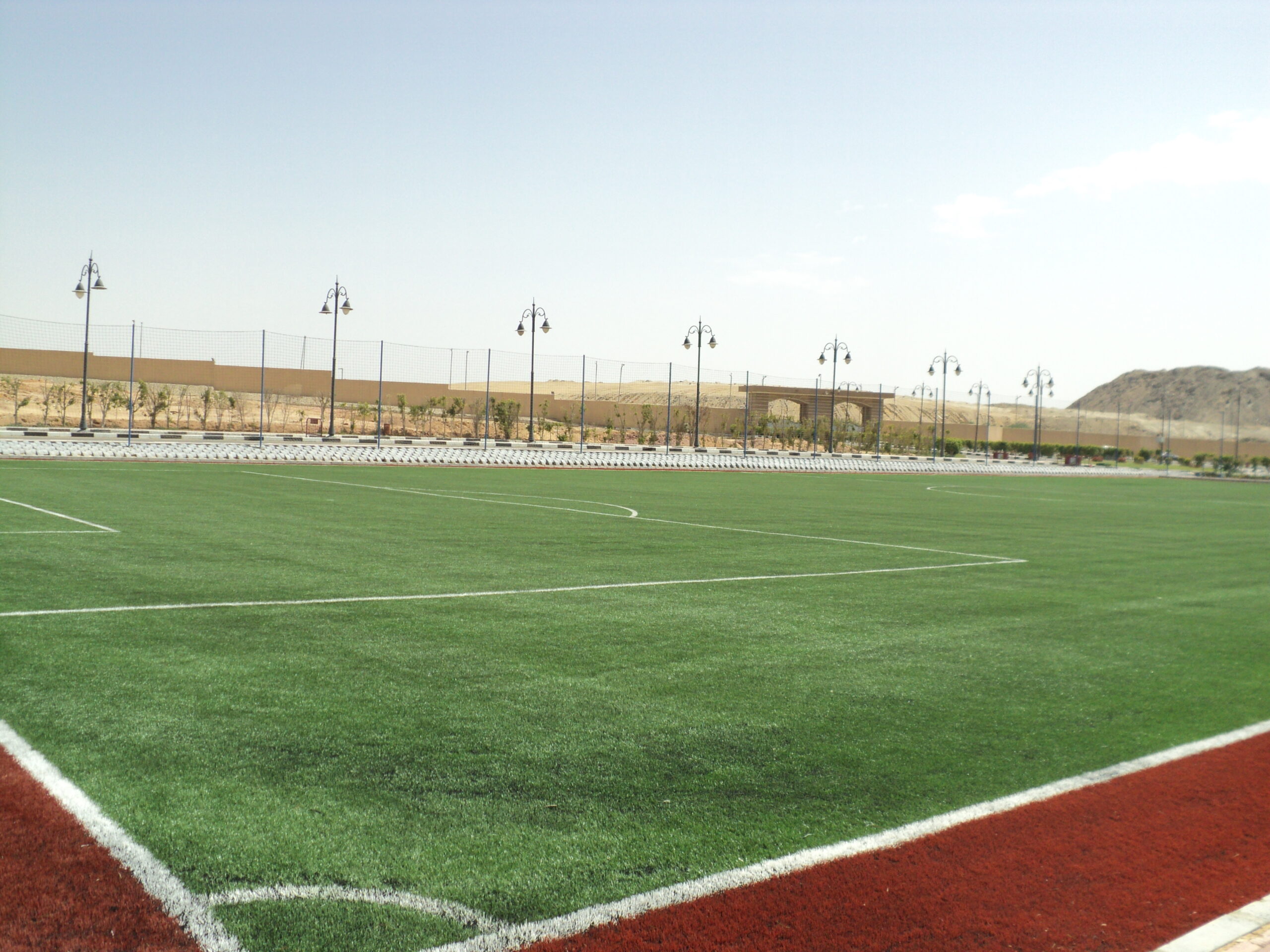
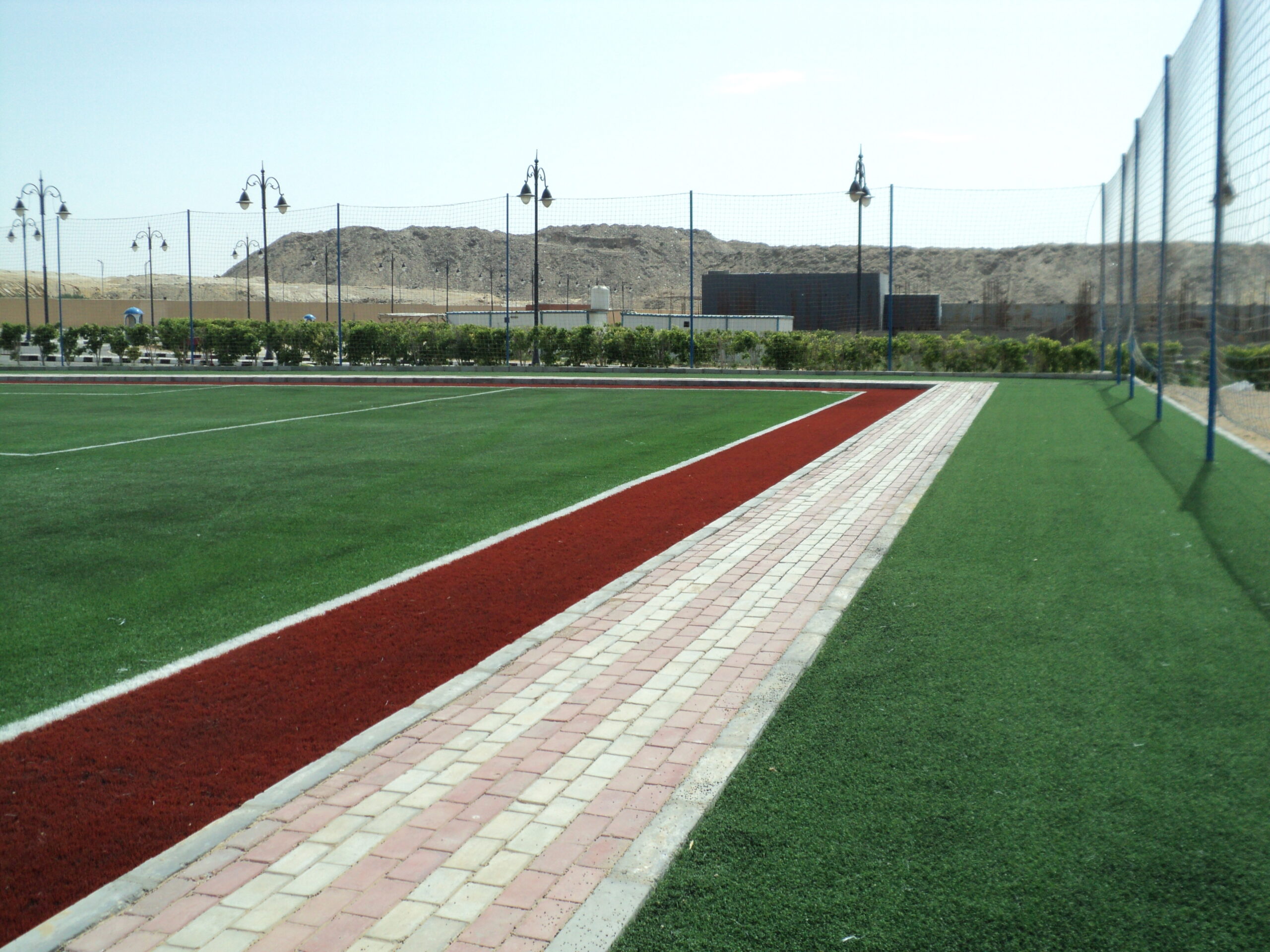
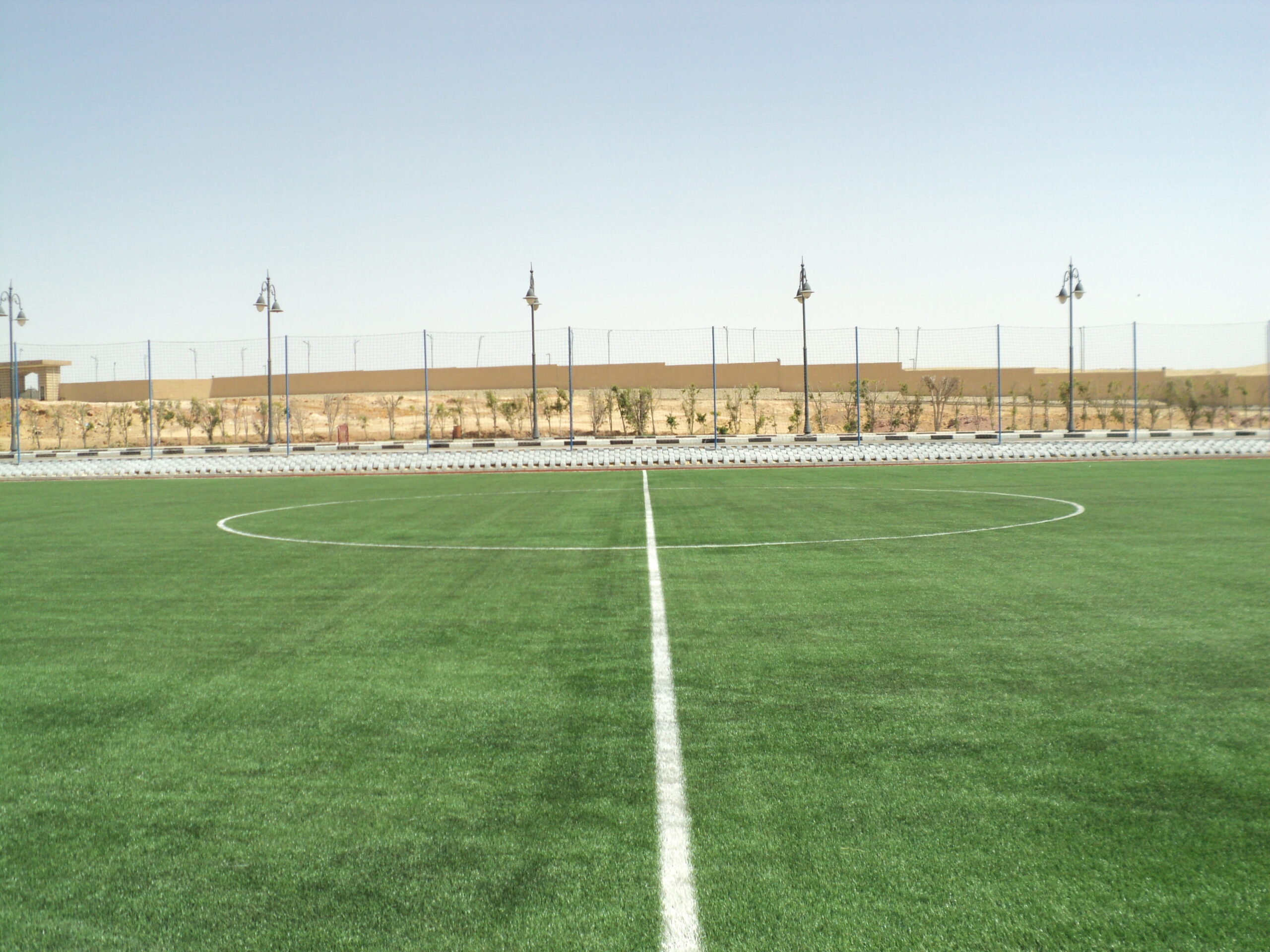
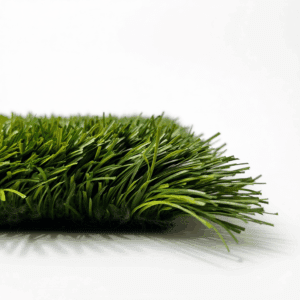
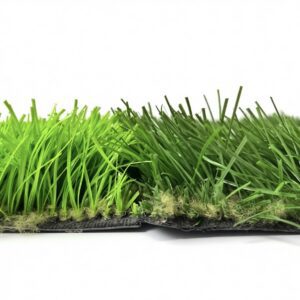
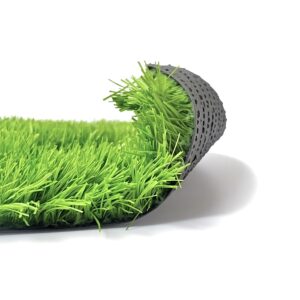
Artificial turf is an advanced alternative to natural grass.
It is made from high-quality synthetic fibers designed to mimic the look and feel of real grass,
with consistent performance and high durability under various weather conditions and intensive use.
Advantages of artificial turf
Water and cost saving
It does not require irrigation, fertilizers, or pesticides.
It reduces long-term maintenance costs.
Long lifespan
Resistant to wear, pressure, and heavy use.
Maintains its color and shape for long periods.
Consistent appearance all year round
Not affected by seasonal changes or drought.
Always green with no patches or bare areas.
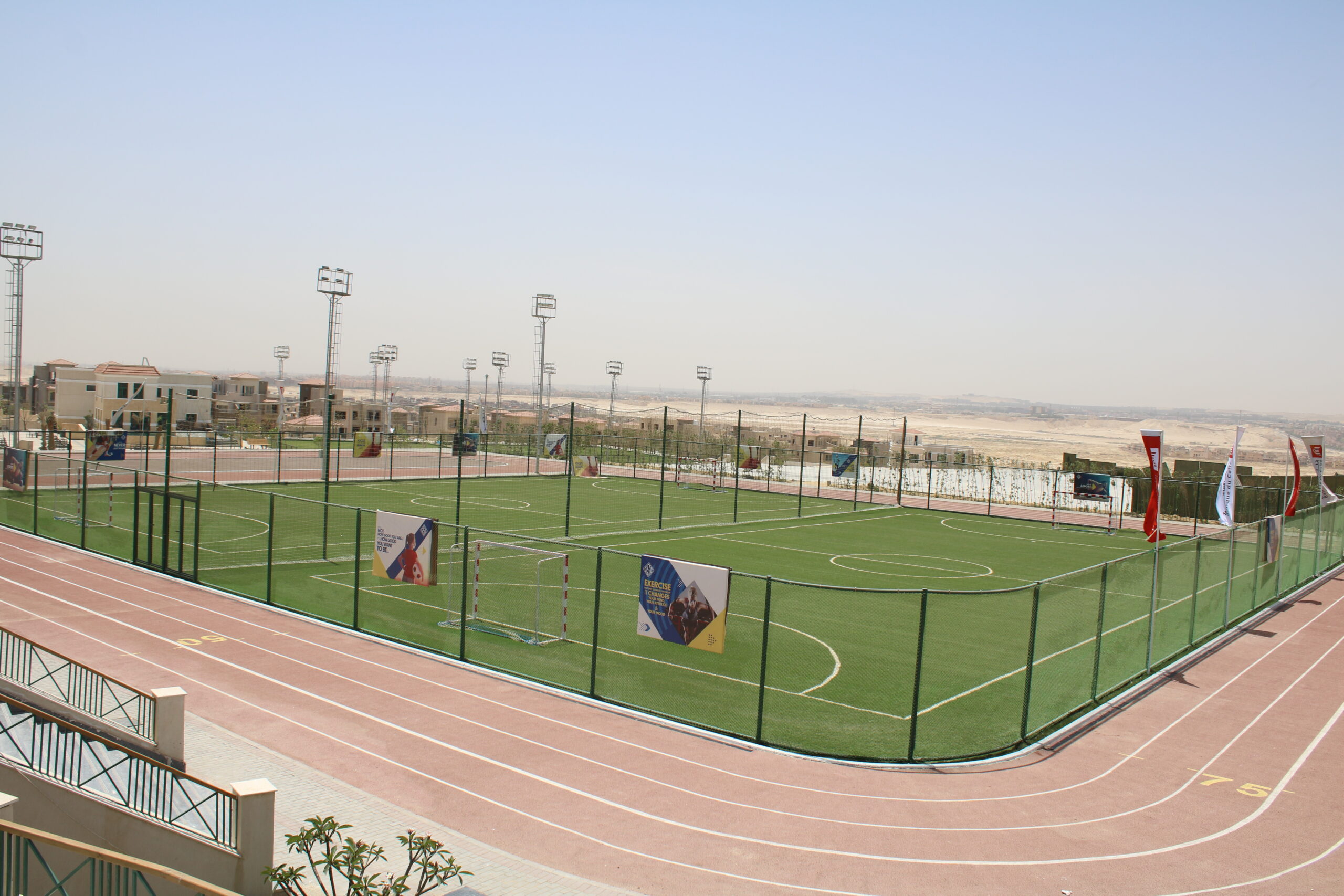
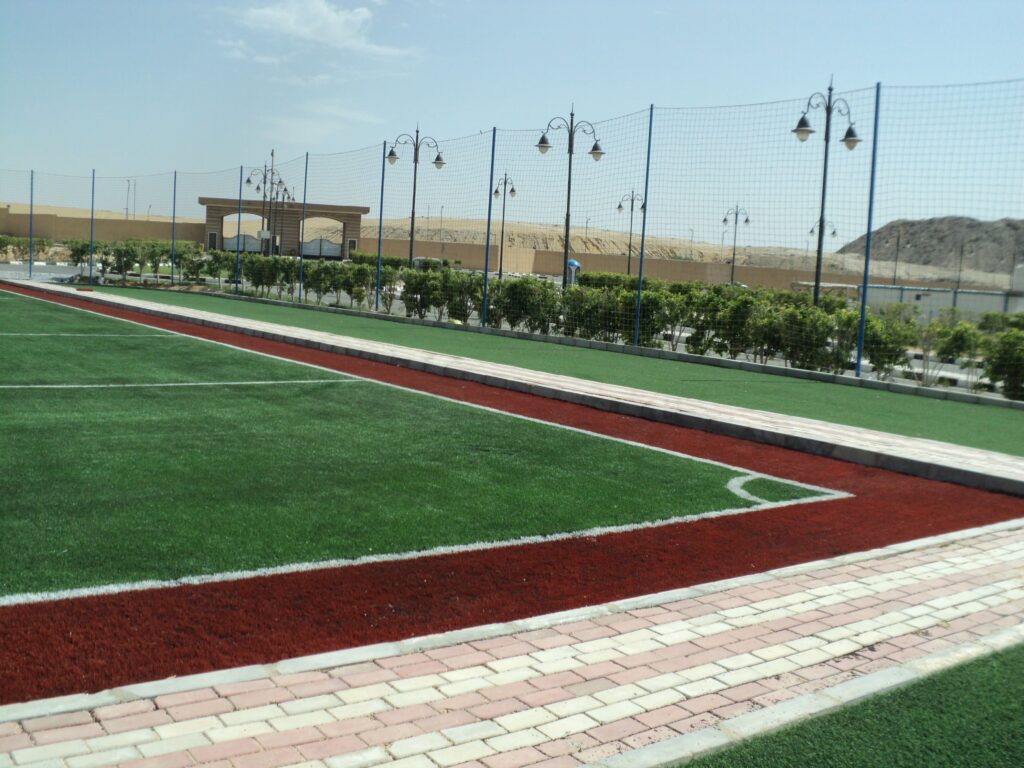
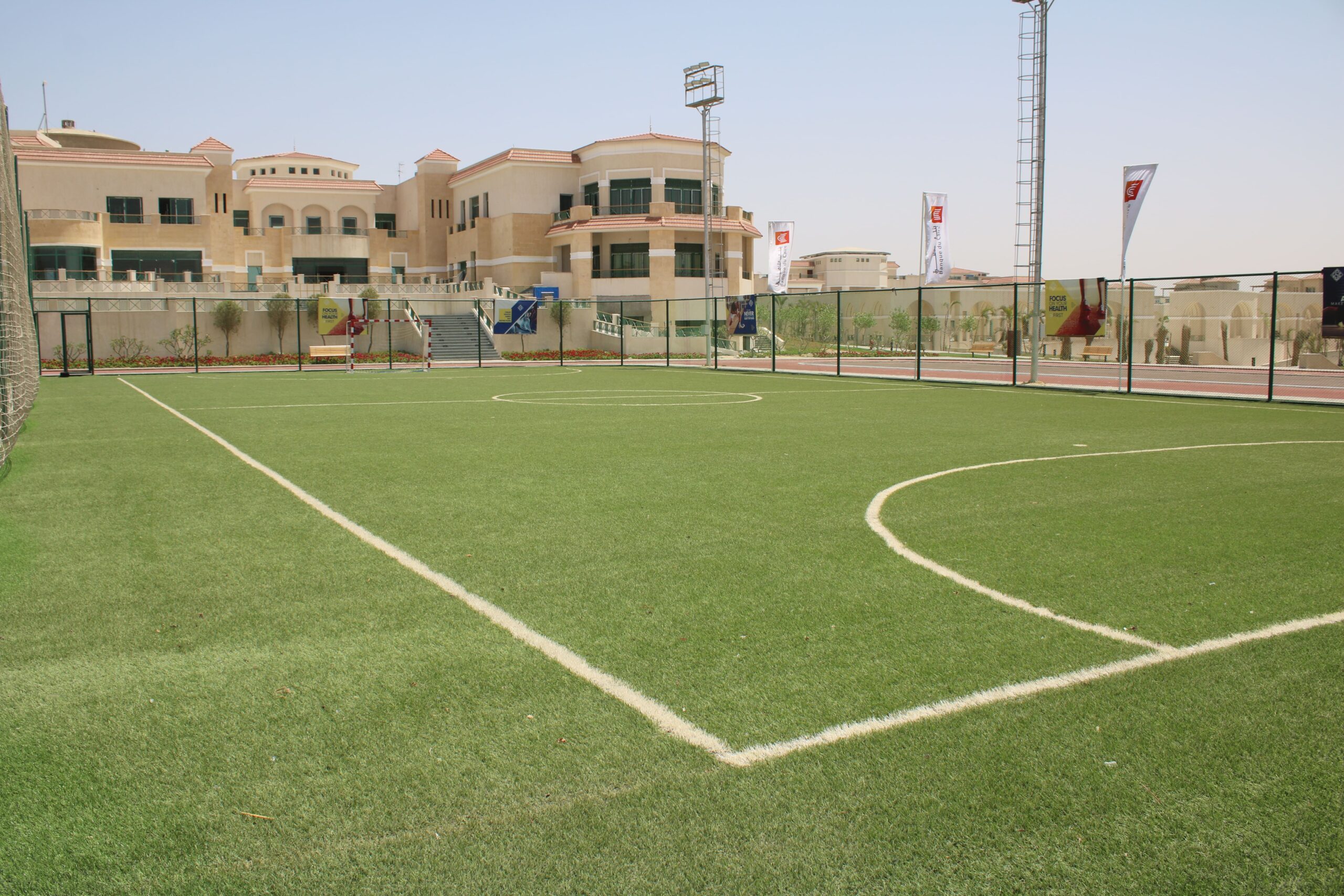
Suitable for sports fields
Consistent ball bounce and excellent stability.
Reduces injuries when the proper specifications are selected.
Easy and quick maintenance
Simple cleaning with no mowing or replanting required.
Ready for use immediately after installation.
Weather resistant
Withstands high temperatures, rain, and sunlight.
Often equipped with UV protection to prevent sun damage.
Design flexibility
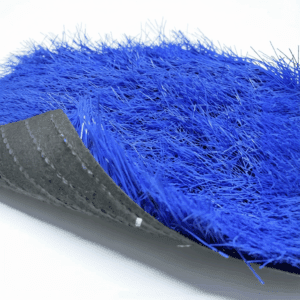
Available in different heights, colors, and densities.
Suitable for both sports and decorative applications.
Standards for selecting artificial turf for football fields
1- Fiber type and quality:
The fibers should be UV-resistant to ensure color does not fade when exposed to sunlight.
2- Fiber height:
3- Grass density:
A recommended density ranges from 10,000 to 12,000 stitches per square meter.
4- Infill system:
It is important that the infill is evenly distributed to ensure turf stability.
5- Drainage system:
There should be an under-turf drainage system that allows efficient water runoff.
6- Turf durability:
The turf must resist wear and heavy traffic without deteriorating quickly.
7- Certifications and quality:
Selecting artificial turf according to these standards helps ensure a high-quality, safe playing field that lasts for many years with regular maintenance.
Contact Us
01022115205 - 01022115240
Contact Us
info@captexst.com
Location
Inside Factory 81, Ministry of Military Production, Cairo, Egypt