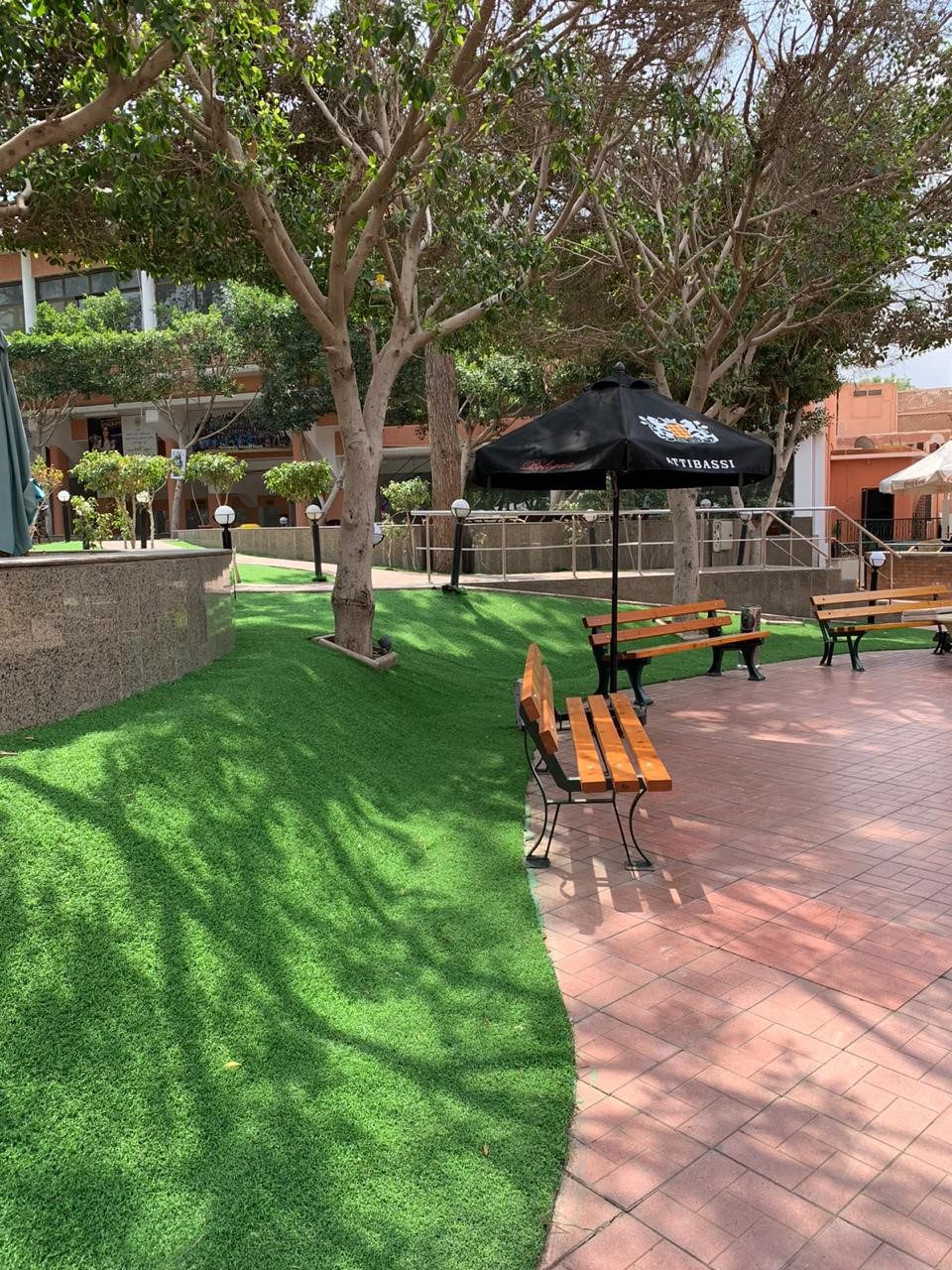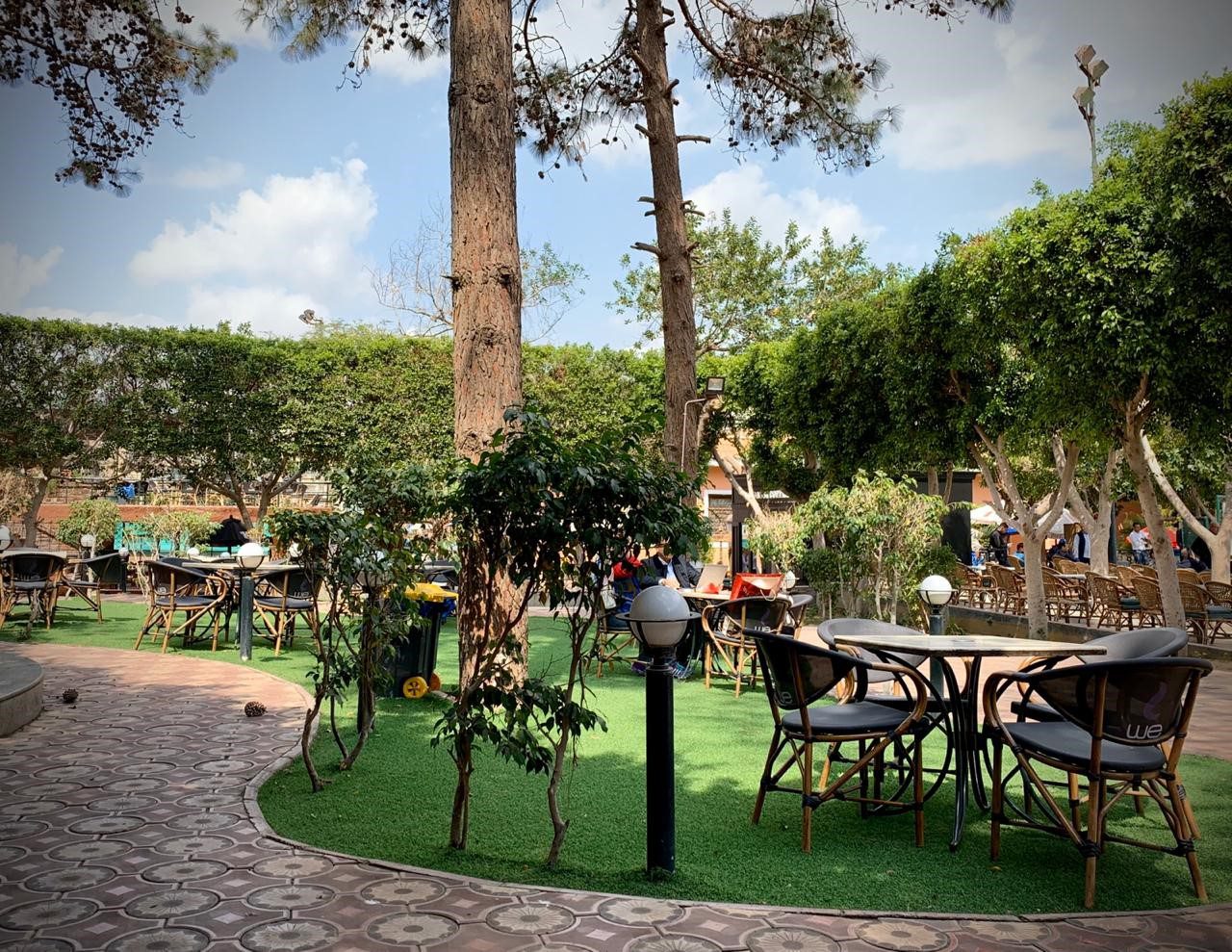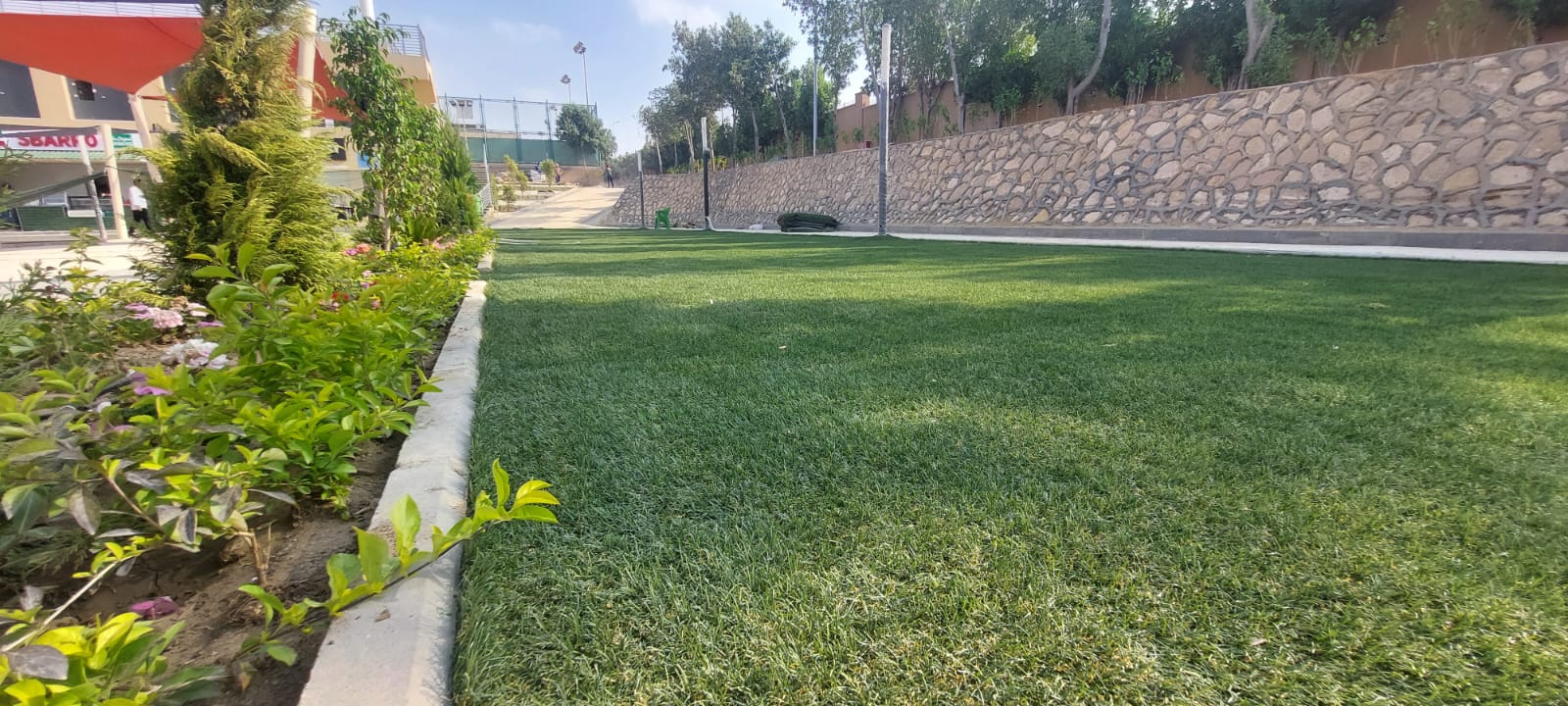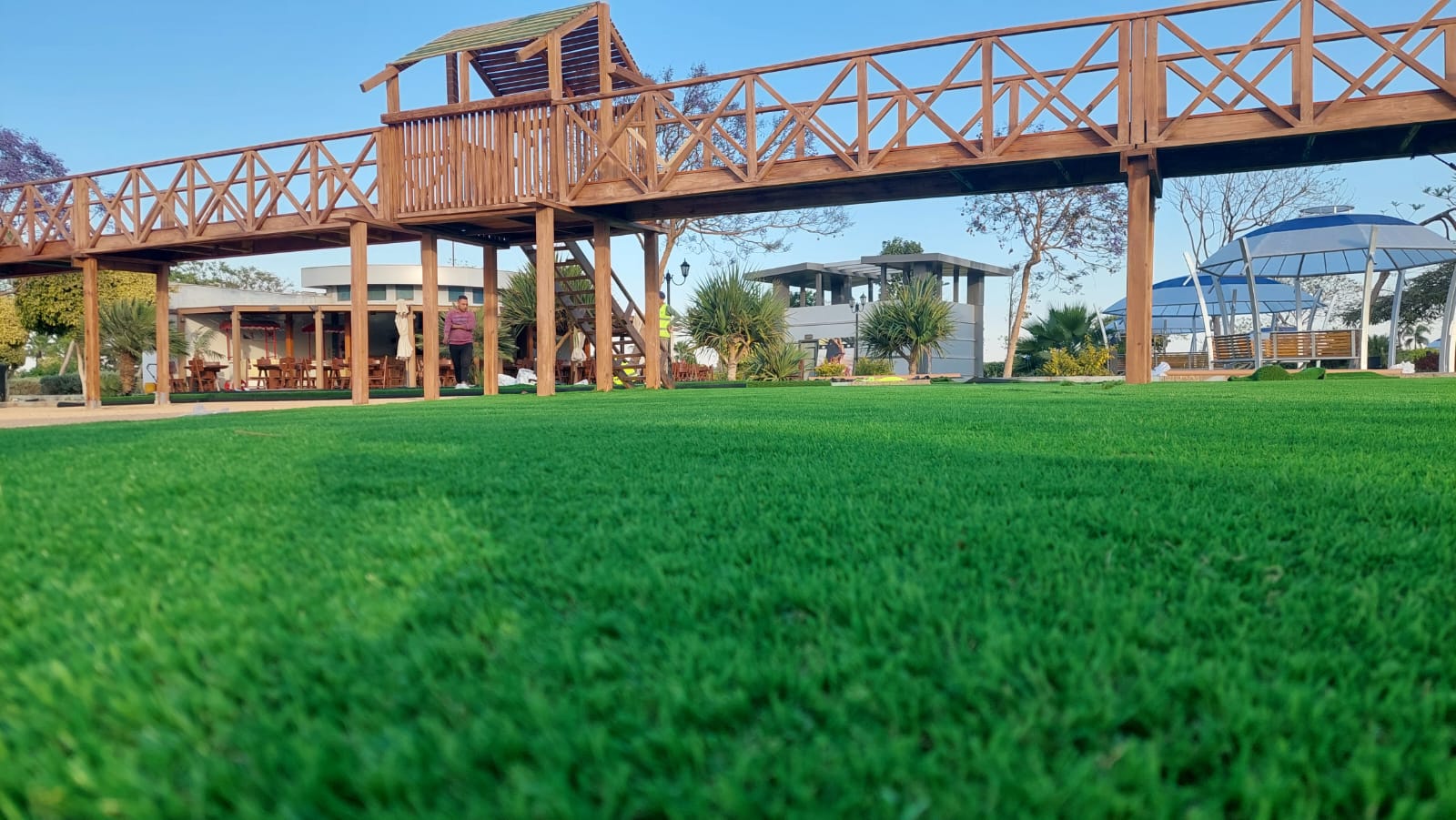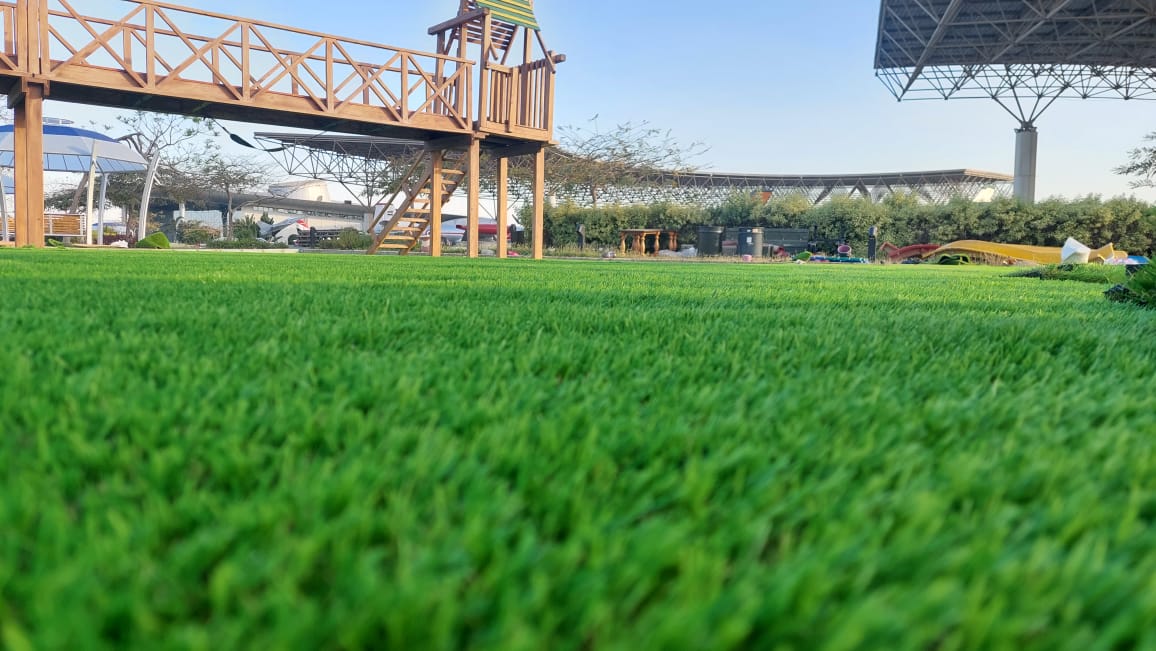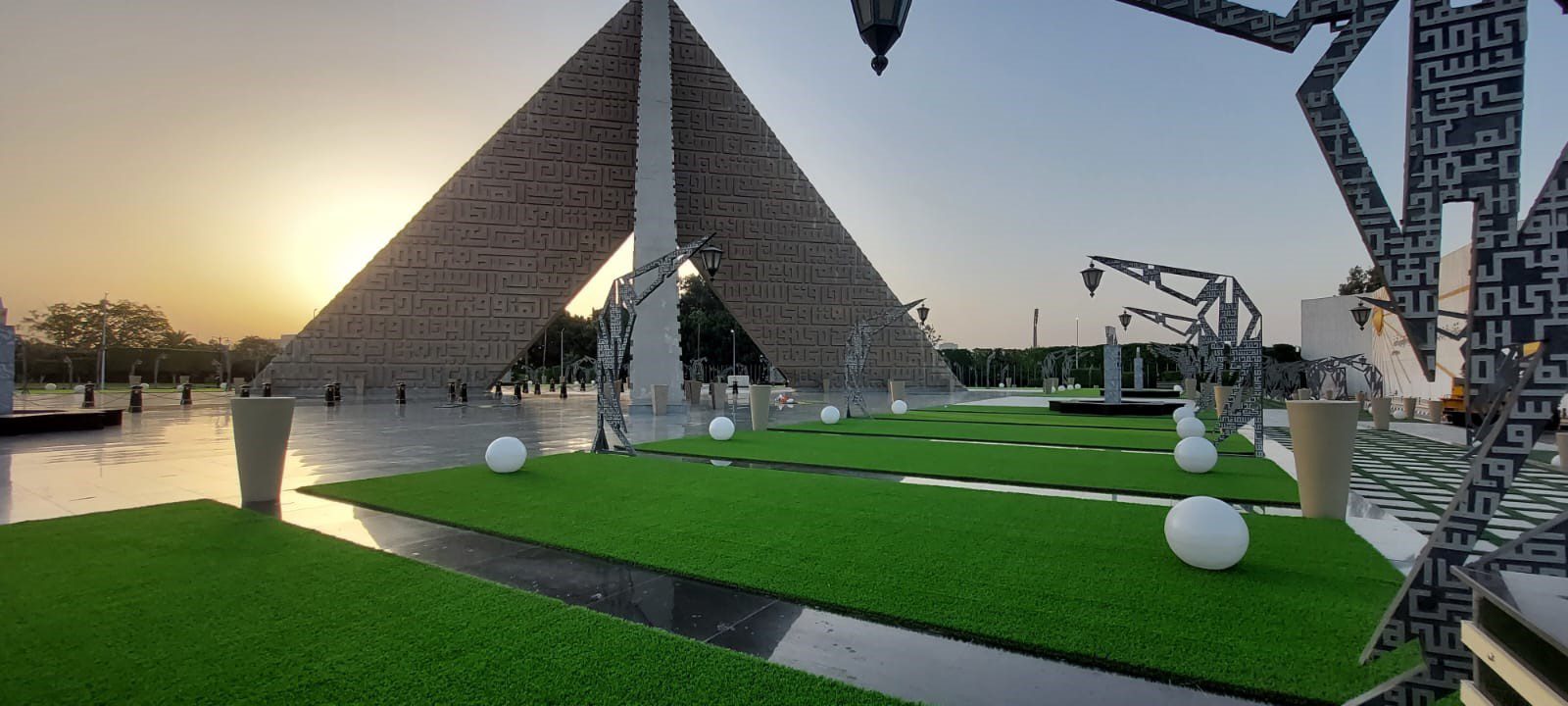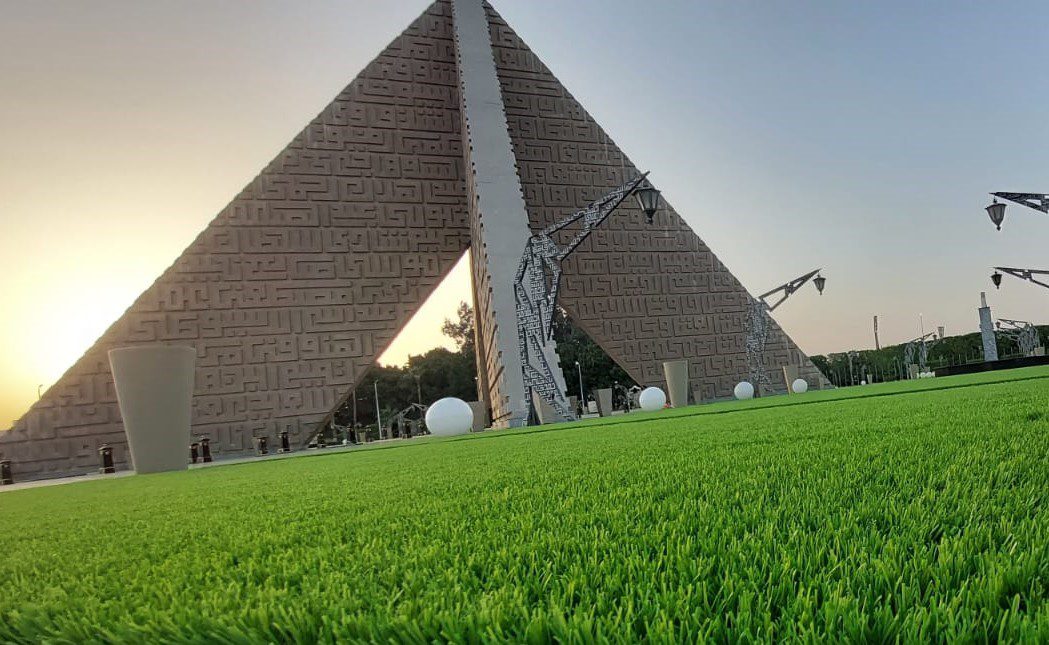
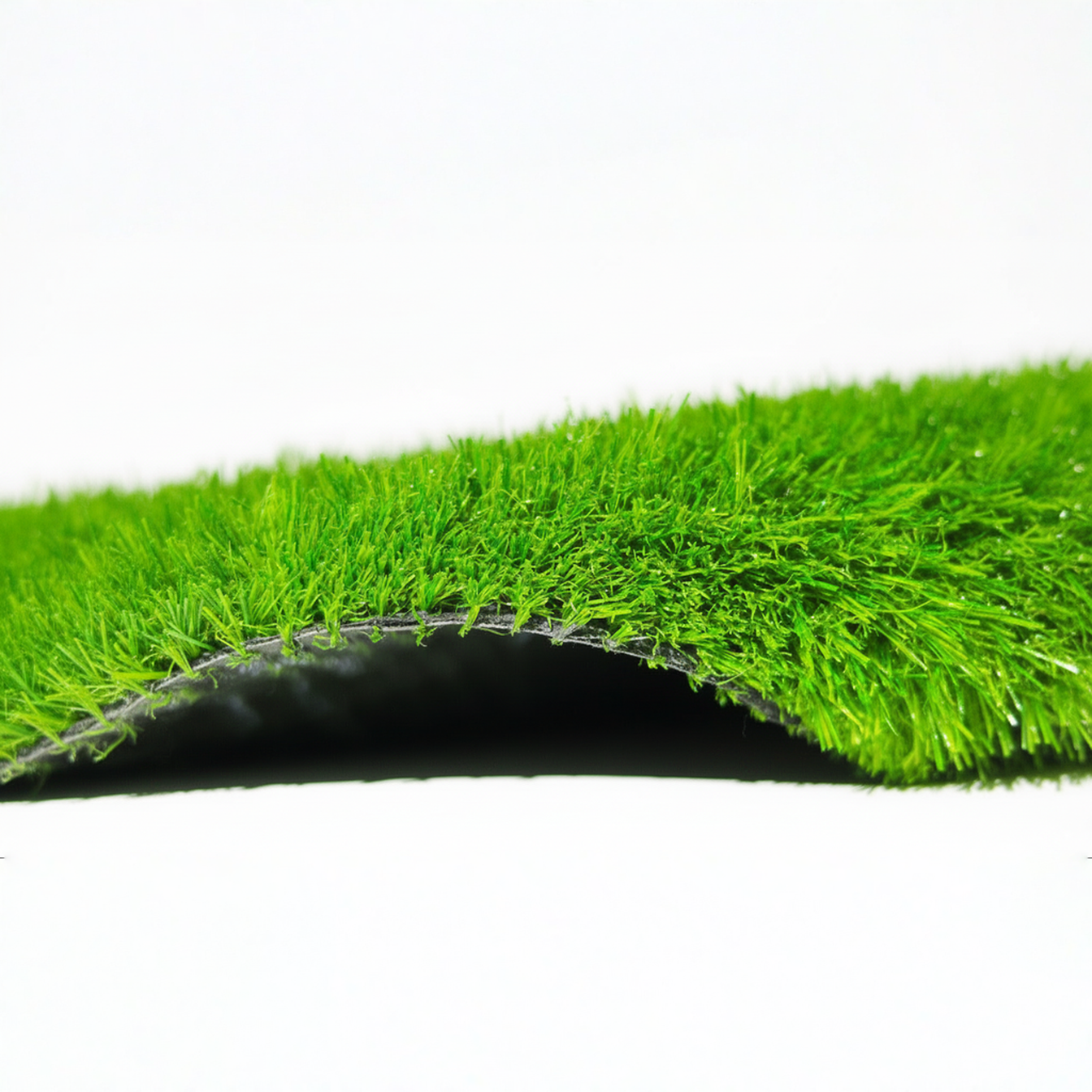
Artificial turf (landscape)
Landscape is the art and planning of designing outdoor spaces in a way that combines beauty and functionality.
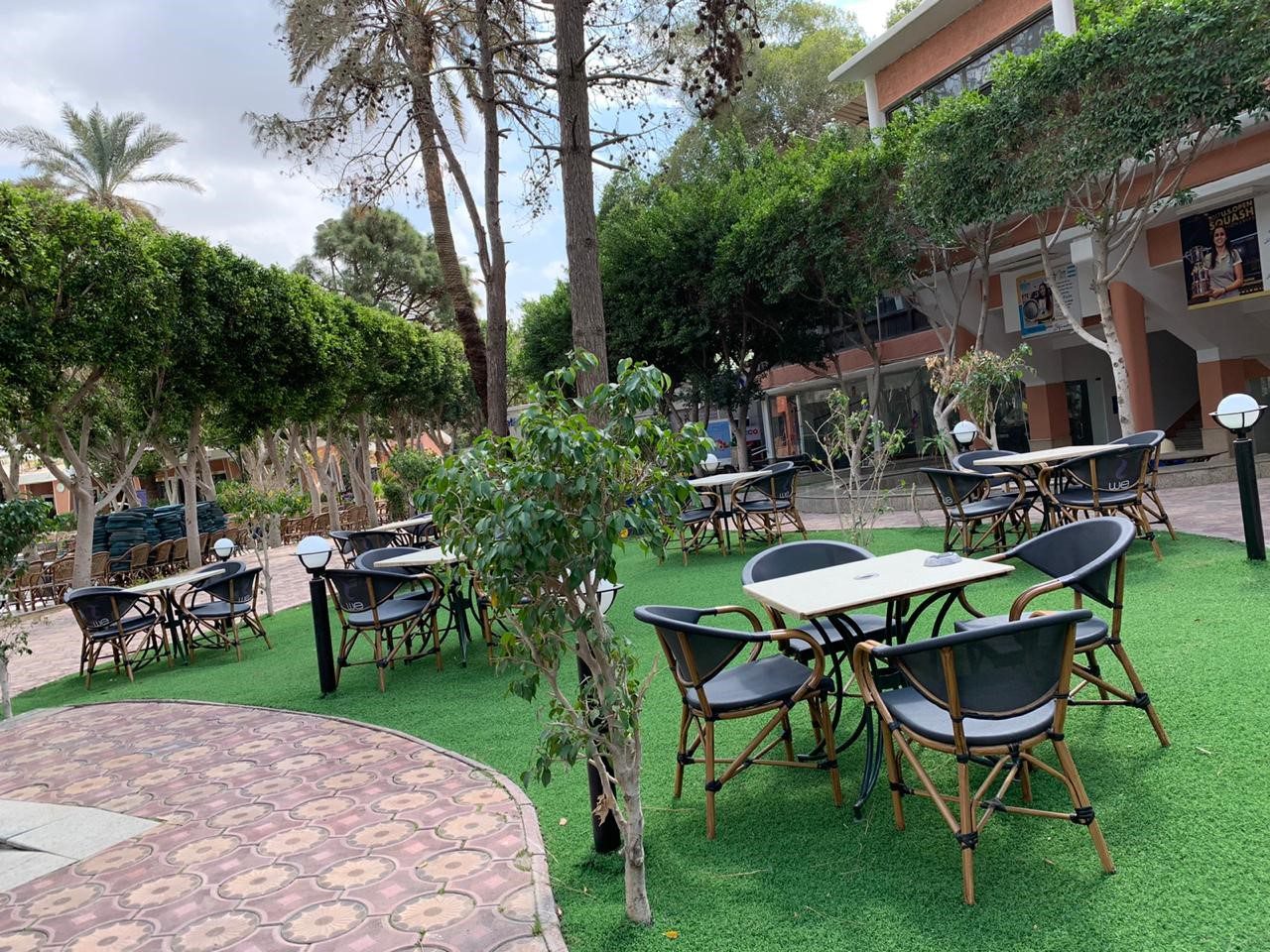
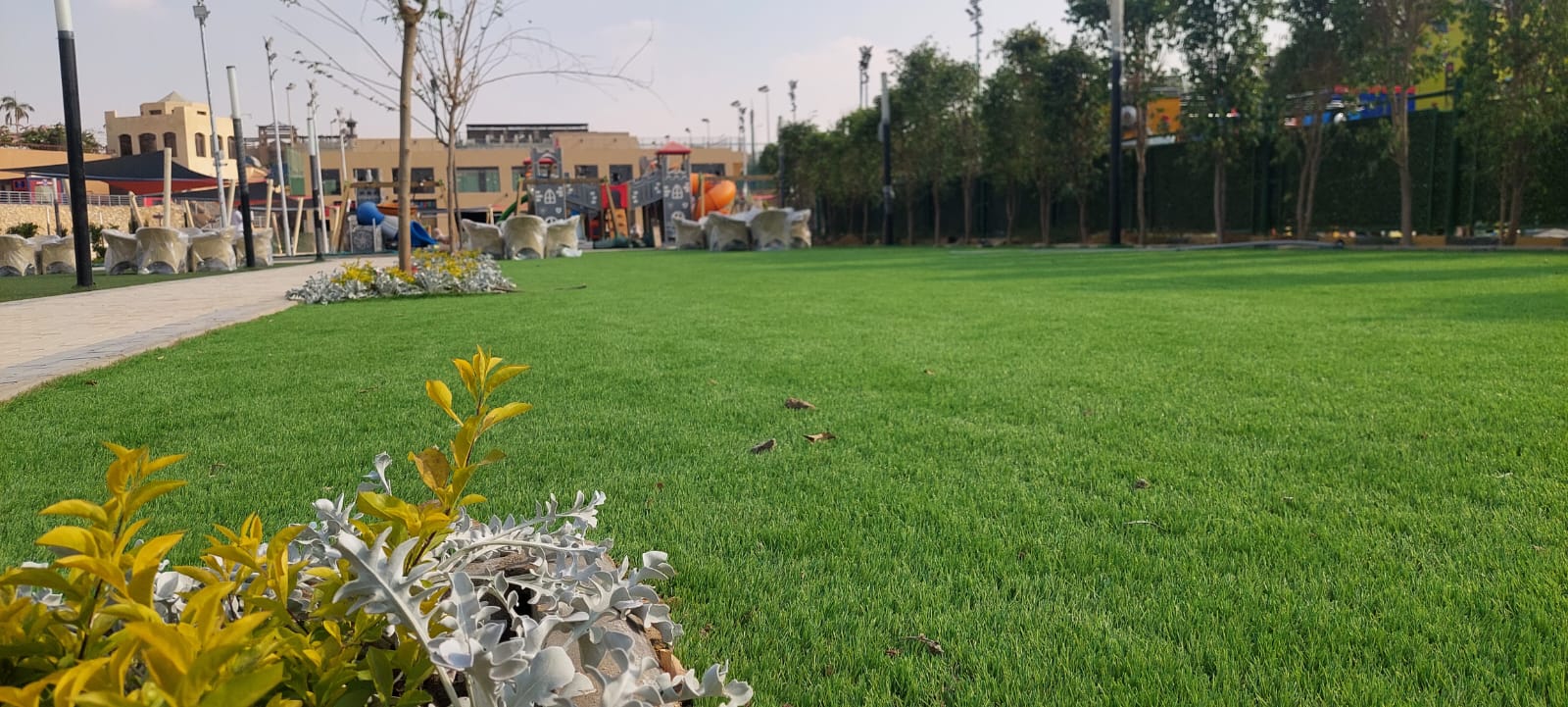
It includes (green areas design, walkways, trees, lighting, fountains, and seating areas), whether in residential, commercial, or recreational projects.
Landscape features
Enhancing aesthetic appearance
Provides a sophisticated and well-organized appearance to the space.
Enhances the visual value of residential and commercial projects.
Creates a comfortable and relaxing environment.
Increase property value
Increases property value and improves marketability.
A key attractive feature in compounds, villas, and clubs.
Smart utilization of spaces
Converting unused spaces into functional areas.
Designing walkways, seating areas, and recreational zones in a practical way.
Improving quality of life
Provides open spaces for relaxation and social activities.
Helps reduce stress and improve mental well-being.
Easy maintenance (depending on design)
Uses modern materials that withstand weather conditions.
Reduces maintenance costs when combining artificial and natural grass.
Design versatility
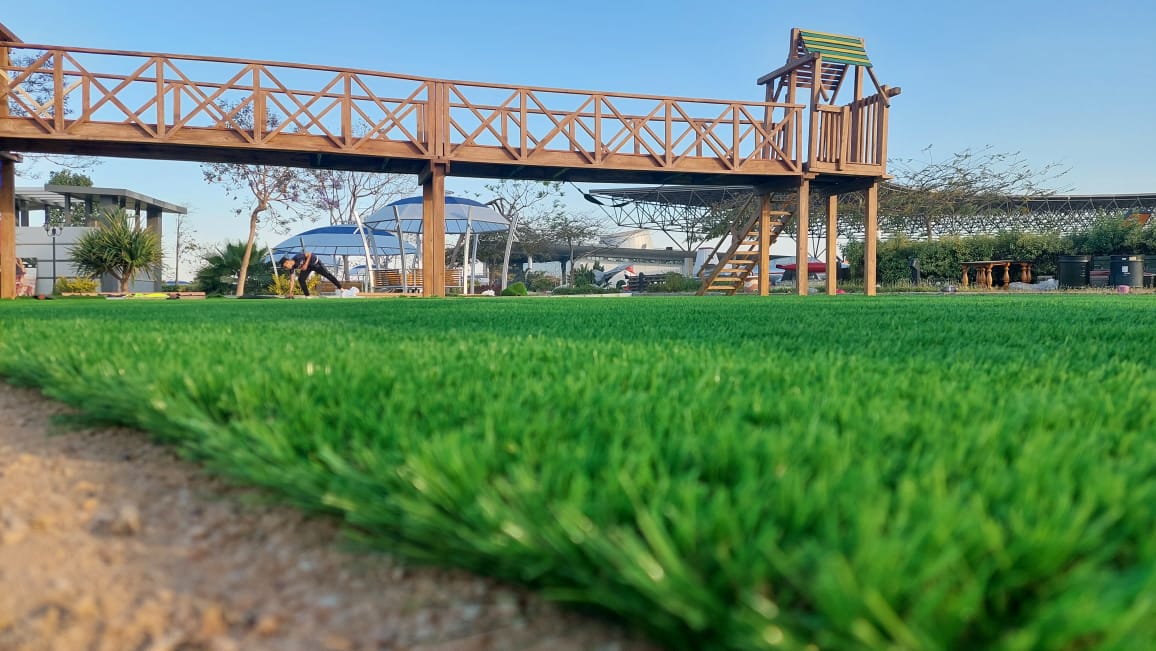
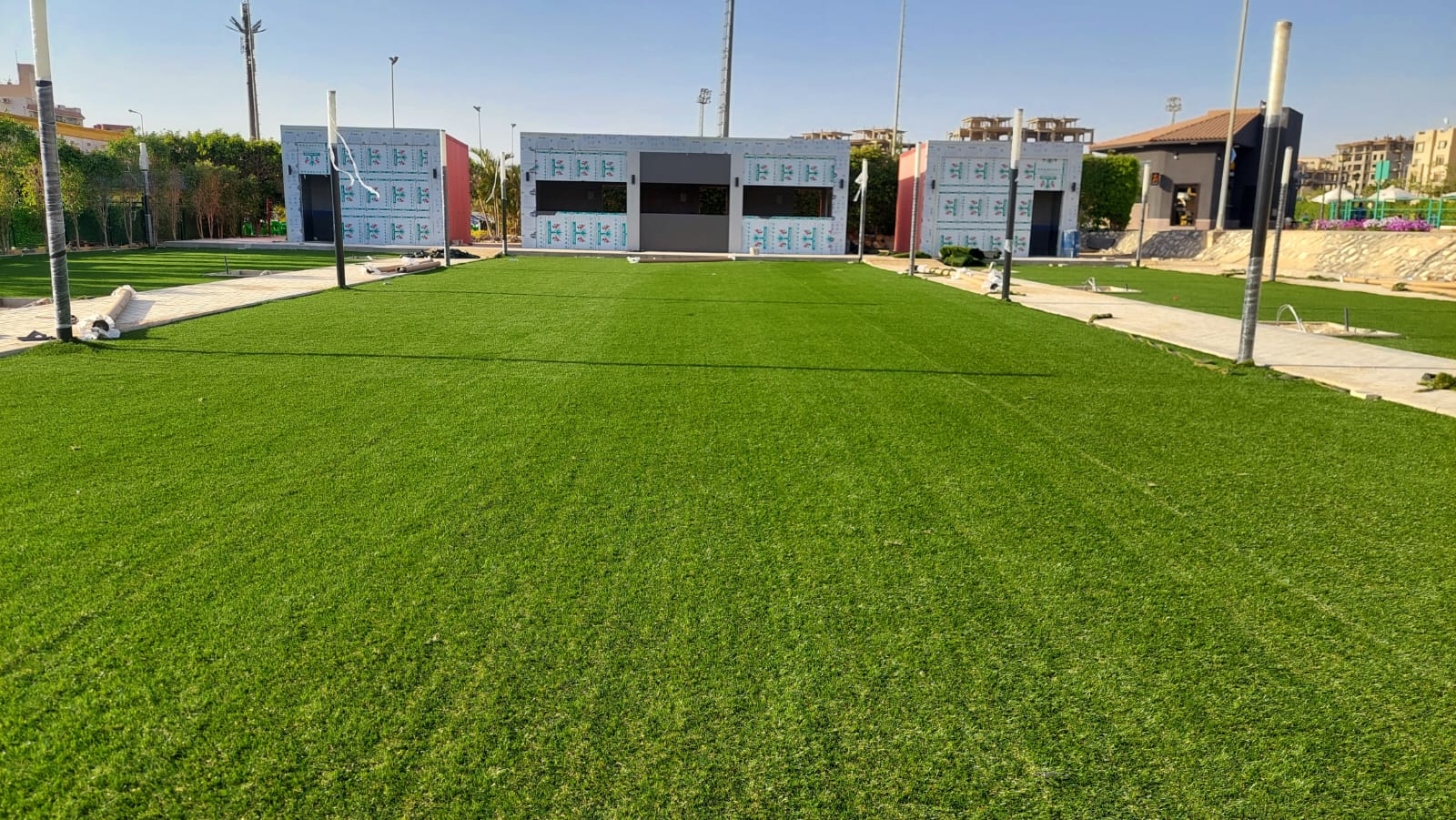
Suitable for villas, public parks, rooftops, hotels, and clubs.
Flexible in choosing materials, colors, and design styles.
Suitable for sports and recreational projects
Designing light sports areas.
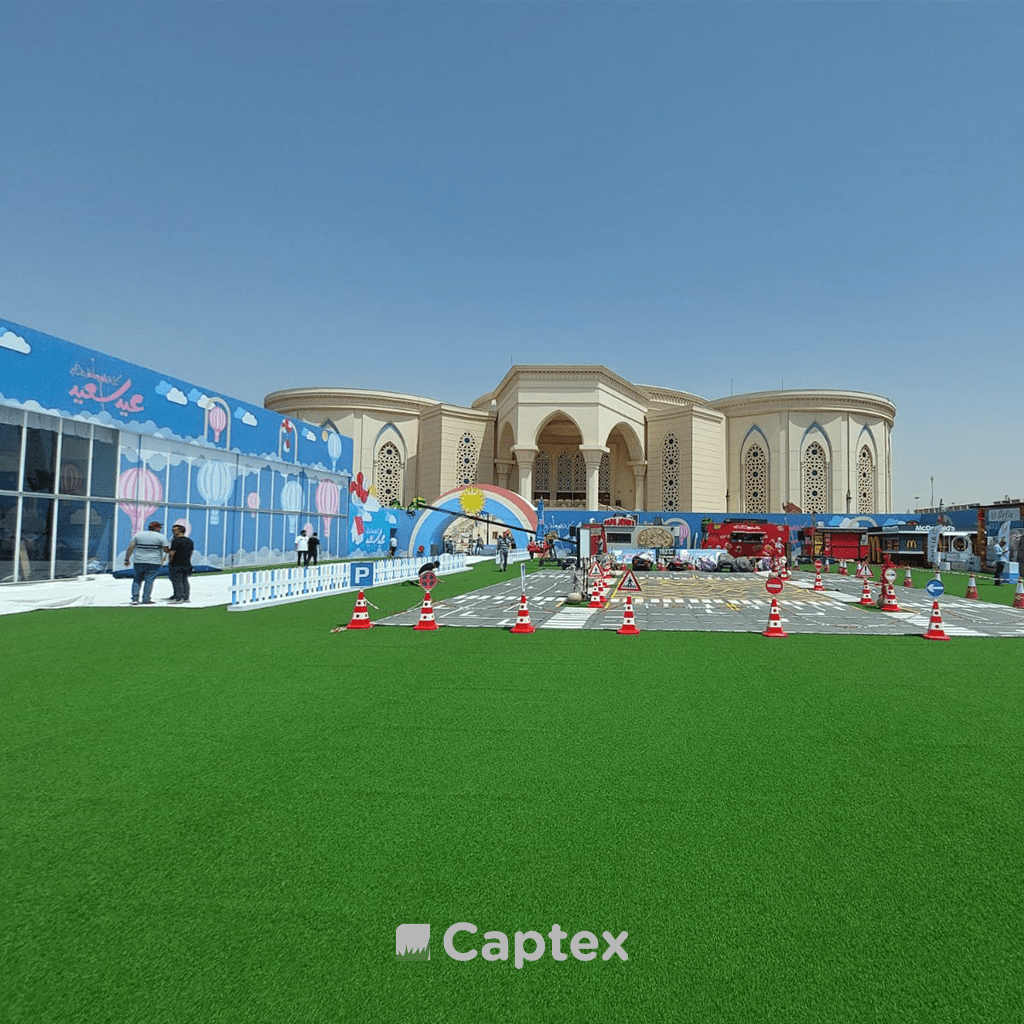
Preparing open spaces for activities and events.
Long-term sustainability
Thoughtful design that reduces resource consumption.
Practical solutions that last for years while maintaining aesthetic appeal.
Standards for selecting artificial turf for landscape
1- Fiber height
2- Fiber density:
3- Fibers:
The fibers should be UV-resistant to maintain color stability and prevent fading over time.
4- Colors and design:
Some types also include multi-length fibers to enhance a more realistic, natural look.
5- Drainage system:
6- Fiber flexibility:
7- Easy installation and maintenance:
8- Safety:
Selecting landscape artificial turf according to these specifications provides a beautiful and comfortable appearance with a long lifespan, and it is also an economical alternative to natural grass, saving significant time and effort in garden maintenance.
Our products
Contact Us
01022115205 - 01022115240
Contact Us
info@captexst.com
Location
Inside Factory 81, Ministry of Military Production, Cairo, Egypt